Skip to main navigation
Skip to site navigation
Skip to content
Apply to UMaine
A-Z
Calendar
Give
Map
News
Careers
myUMaine
Maine Sea Grant
Maine Sea Grant
Home
Staff
About
Focus Areas
Funding
Extension
Education
Research
Donate!
Admissions
Admissions
Apply
Request Information
Undergraduate
Transfer
Graduate
International
Lifelong Learning
Veterans
Machias Admissions
Financial Aid
Apply for Financial Aid
Costs
Scholarships
Visits, Tours and more
Visit UMaine
For Counselors
For Accepted Students
Machias Campus
Campus Life
What’s Happening
UMaine Calendar
Campus Announcements
Social Media
Events at UMM
Commencement
Community
Division of Student Life
Campus Living
Dining
Recreation
Arts
Athletics
Parents and Family
Student Business Services
Student Consumer Information
Clery Safety and Security Report
Getting Around
Campus Map
Parking Services
Visitors
Machias Campus Life
Academics
Colleges
College of Education and Human Development
College of Liberal Arts and Sciences
College of Earth, Life, and Health Sciences
Graduate School
Honors College
Maine Business School
Maine College of Engineering and Computing
Learning Locations
UMaine Online
University of Maine at Machias
Professional and Continuing Education
Early College
Darling Marine Center
Education Abroad
Resources
Majors and Programs
Student Records
Undergraduate Catalog
Graduate Catalog
Fogler Library
Academic Calendar
First-generation Student Support
Army ROTC
Adult Learner Resources
Navigate
Research Learning Experiences
Research
Research
Portland Gateway
Institute of Medicine
Center for Undergraduate Research
Student Symposium
Centers and Institutes
Research News
Vision and Mission
Research Report
Initiatives
Maine EPSCoR
UMaine AI
UMaine Arctic
UMaine Arts
Experiential Programs Innovation Central (EPIC)
Coordinated Operating Research Entities (CORE)
UMaine FOREST
UMaine MARINE
UMaine Space
Resources
Office of Research Administration
Office of Research Compliance
Office of Research Development
Advanced Research Computing, Security, and Information Management
Graduate Studies
Organizational Chart
About Us
About UMaine
President’s Office
Provost’s Office
UMS Transforms UMaine
Mission
UMaine News
Contact Us / Media Inquiries
Community Outreach
Cooperative Extension
UMaine Today Magazine
Alumni and Giving
Events and Hospitality
Strategic Partnerships and Innovation
Office of Strategic Partnerships, Innovation, Resources and Engagement
Business and Industry
Faculty Resources
Search...
A to Z Directory
UMaine Calendar
Give Now
UMaine Map
UMaine News
Career Opportunities
myUMaine
Faculty and Staff Resources
Student Resources
Title IX Student Services
Emergency Information
UMaine Police
Quicklinks
Search...
Maine Sea Grant
Home
Staff
About
Focus Areas
Funding
Extension
Education
Research
Donate!
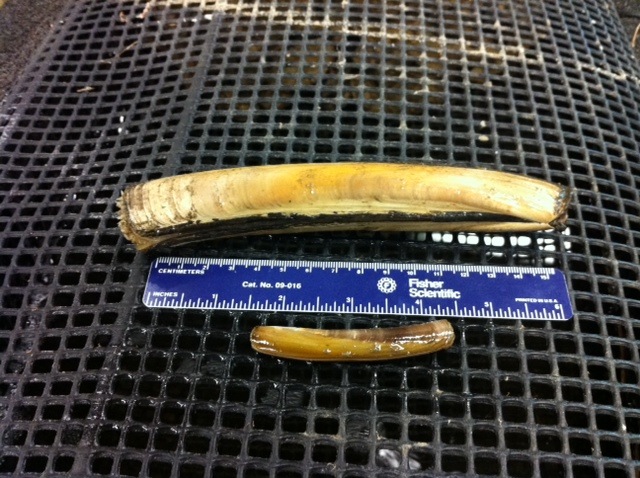
Protected: Species: Razor Clam
July 22, 2010
This content is password protected. To view it please enter your password below:
Password:
⨉
Facebook
LinkedIn
YouTube
Instagram
Top