
Sea Vegetable
Species Description
Sea vegetable (seaweed or macroalgae)
Wild and cultured.
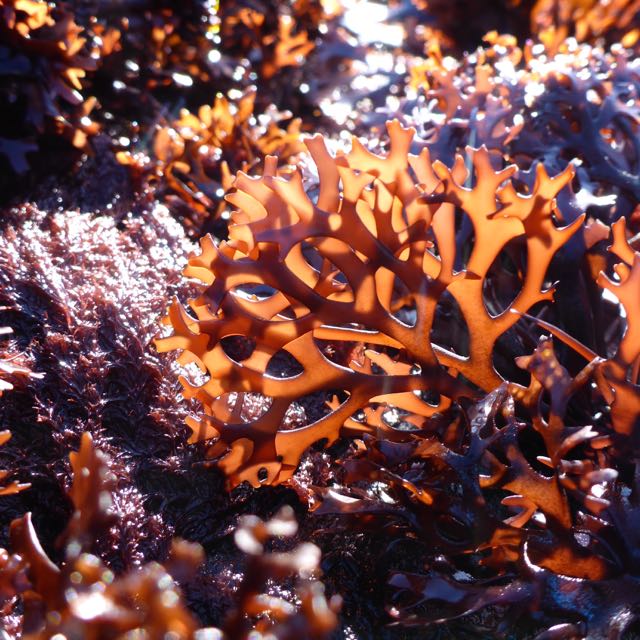
There are over 250 species of sea vegetables (marine macroalgae or seaweed) in the Gulf of Maine. While most are technically edible, only a few are commercially harvested; these include:
Dulse Palmaria palmata
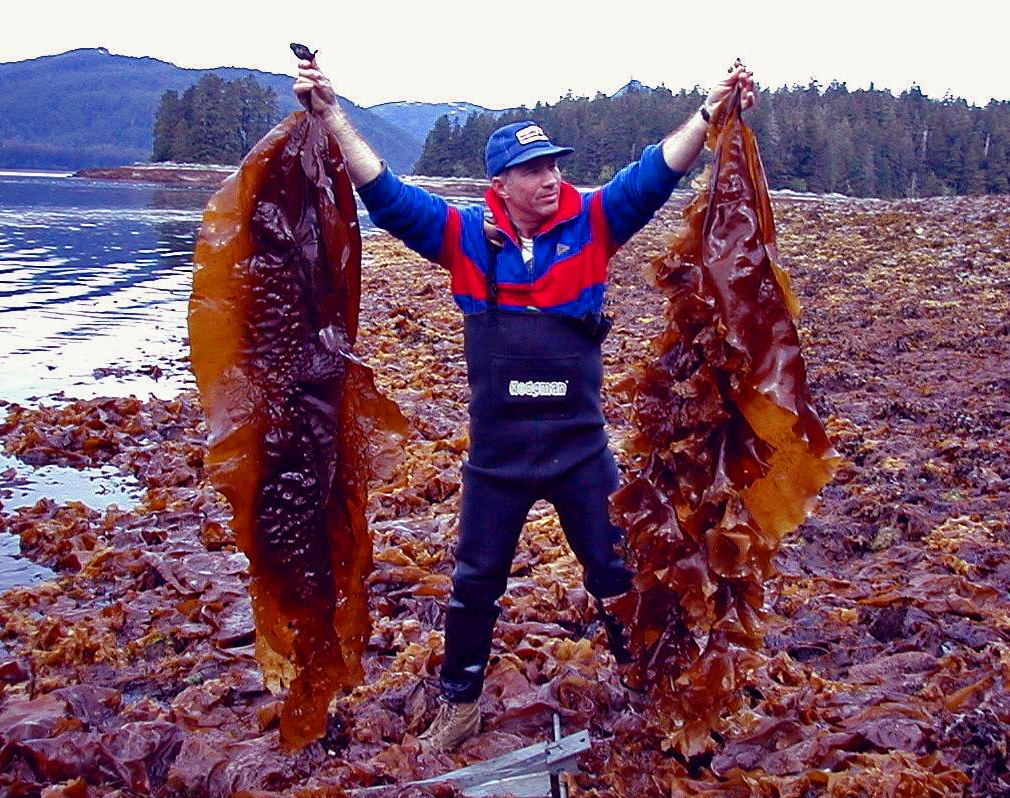
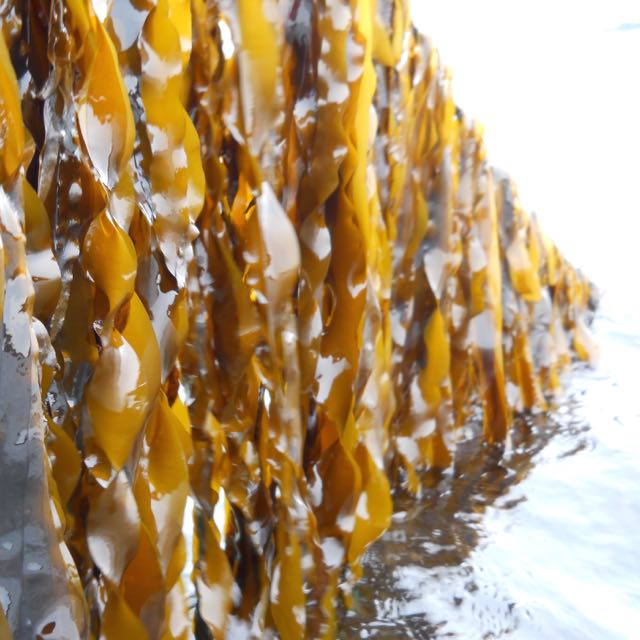
Kelp Saccharina latissima, Laminaria digitata, and Alaria esculenta
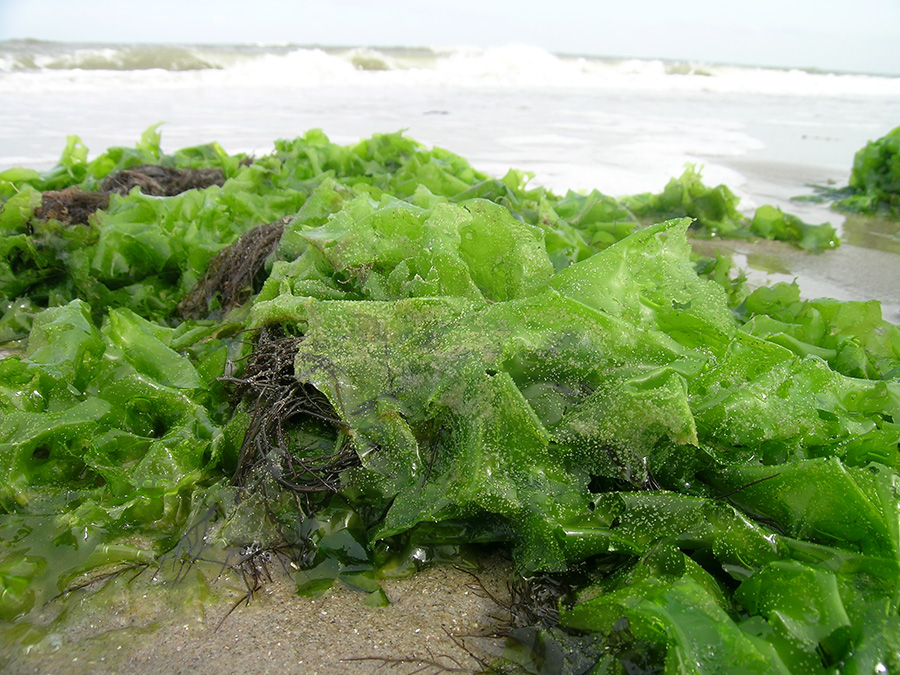
Sea lettuce Ulva lactuca
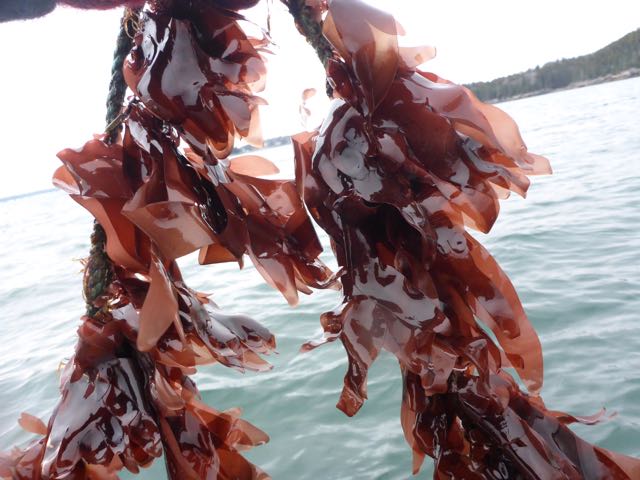
Laver or nori Porphyra umbilicalis
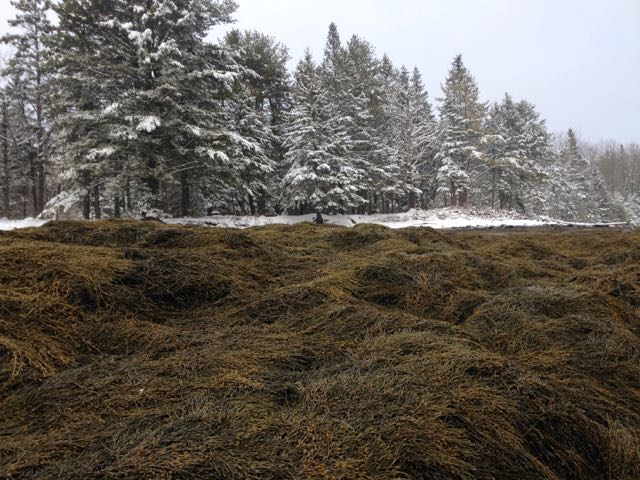
Rockweed Ascophyllum nodosum is the dominant species in the commercial harvest, but is primarily used as an ingredient in supplements and other products.
Season
It depends on the individual species, but the majority of farmed sea vegetables are grown in the winter months and harvested in spring.
Status
Kelp forests are still thriving in the cooler waters of the Gulf of Maine, but are showing signs of slow decline due to rising ocean temperatures. With responsible harvesting practices kelp can regrow naturally within two to four years. Sustainable management is key to maintaining both the health of the kelp ecosystem and the long-term viability of Maine’s seaweed industry.
Regulatory Authority
Maine Department of Marine Resources (DMR).
Harvest Method
Most wild sea veggies are harvested by hand at low tide during early spring. Harvesters wade into the intertidal zone and trim blades from plants like dulse, laver, and kelp, taking care to leave the holdfasts for regrowth. Rockweed in particular is harvested using hand rakes or mechanical cutters designed to trim without uprooting the plant.
Maine’s seaweed farmers grow species like sugar kelp and alaria on “seeded lines,” ropes suspended in the water that are preloaded with juvenile seaweed plants. These lines are typically deployed in fall and harvested in spring, with farmers hand-cutting the mature blades to encourage sustainable regrowth.
Recreational Harvest
In Maine, harvesting seaweed for personal consumption is legal and considered part of the state’s fisheries. Under current law, individuals may harvest up to 50 pounds per day for personal use. Use scissors or a knife to cut blades from the upper portion of the plant. Always leave the holdfast (the root-like base) intact so the seaweed can regrow.
The intertidal zone can be slippery; wear sturdy footwear and be mindful of waves and tides. Avoid collecting near sewage outfalls, storm drains, marinas, or other potential pollution sources to ensure your seaweed is safe to eat.
Health Benefits & Risks
Often called superfoods from the sea, Maine seaweeds are rich in essential nutrients while remaining naturally low in fat and calories. Seaweed is an excellent source of calcium, magnesium, iron, potassium, and zinc—nutrients that support bone strength, muscle function, and immune health. It also contains vitamins A, C, E, and K, along with several B vitamins, including B12, which is especially notable in red seaweeds like dulse and laver and is rare in most plant-based foods.
In addition to vitamins and minerals, seaweed offers soluble fiber that aids digestion and helps regulate blood sugar levels. Its naturally lean profile, combined with its dense concentration of nutrients, makes seaweed a nourishing and sustainable choice for everyday eating.
View the 2021 US Food and Drug Administration’s fish consumption guidelines.
Buying & Preparing
Rinse gently in clean seawater or cool freshwater to remove debris and surface critters, then lay it loosely when storing so it doesn’t get crushed. Blanch or dry within 48 hours to lock in quality and avoid sliminess.
Sugar kelp: Soak briefly, then simmer into broths or slice and eat as a leafy green. Its natural mannitol gives a subtle sweetness.
Winged kelp (Alaria): Soften by soaking or light boiling, then enjoy in salads for a mild, nutty flavor that compliments fresh dishes.
Dulse: This salty, mineral-y tasting red algae is delicious as a snack straight from the bag or fried into crispy “chips.” One or two blades go a long way.
Laver: Soak dried laver briefly or toast it dry to enhance its umami, ocean flavor. Use in soups, sushi, rice dishes, or as a savory seasoning.
Rockweed: Usually sold fresh by harvesters or as dried mulch/seafood packaging. Look for sustainably harvested rockweed from licensed Maine harvesters. While not commonly eaten fresh, small amounts can be chopped and added to broths or dried and ground into a seasoning salt or soup base. It has a strong, briny flavor and chewy texture.
Recipes
Certifications & Verifications
Maine Coast Sea Vegetable products are certified organic.
Links
- Maine Seaweed Council
- National Seaweed Hub
- Rockweed Ecology, Industry, and Management fact sheet (PDF, 4.5 MB)
- Sea Grant’s Seaweed Production on Mussel Farms in Maine research project.
- Maine Aquaculture Association
- Seaweed recipes from Atlantic Sea Farms
- Hidden Changes in Maine’s Ocean: A Deep Dive into Kelp Forests and Climate Impact